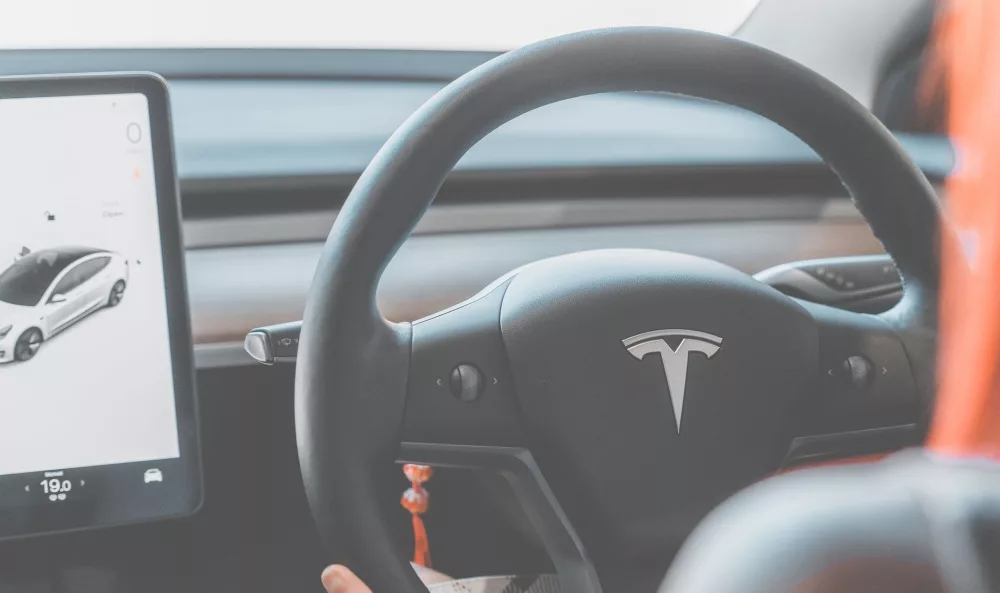
Tesla: Driving the Future of Sustainable Innovation
When you hear the name Tesla, what comes to mind? For me, it's a whirlwind of innovation, disruption, and sometimes, a little controversy. We're talking about a company that really changed the game, not just in the automotive world but in the energy sector too. It's truly fascinating how a company, founded in 2003, managed to shake up established giants and convince so many folks that electric vehicles weren't just golf carts, but the future of transportation.
You know, back when Tesla started, the idea of a high-performance, long-range electric car seemed like something out of a sci-fi movie. Most people probably thought it was a pipe dream. But here we are, decades later, and Tesla isn't just selling cars; they're selling a vision of a sustainable future. I mean, they've gone from a niche luxury brand to a significant player in the global auto market, and honestly, that's pretty incredible.
The Electric Vehicle Revolution: More Than Just Cars
I think the most obvious part of Tesla's impact has been its electric vehicles (EVs). From the early days of the original Roadster, which really showed what an EV could do in terms of performance, to the Model S, which completely redefined what a luxury sedan could be, Tesla consistently pushed the boundaries. I remember when the Model S first came out; its sleek design, the massive touchscreen, and that incredible acceleration just blew everyone away. It wasn't just an electric car; it was a tech marvel.
Then came the Model 3, aimed at a wider audience. That was a big one! It really brought electric driving to more people, proving that EVs could be practical for daily use without compromising too much on range or performance. And who could forget the Model X with its Falcon Wing doors, or the Model Y, which quickly became one of the best-selling EVs globally? We've also seen the outlandish Cybertruck, a vehicle that looks like nothing else on the road and really encapsulates Tesla's 'why not?' attitude.
- Model S: Redefined luxury and performance in an EV.
- Model 3: Brought EVs to a broader market, emphasizing affordability (relatively) and range.
- Model X & Y: Expanded into the SUV/crossover segments with signature Tesla features.
- Cybertruck: A radical design pushing the boundaries of truck utility and aesthetic.
- Roadster: The original, proving high-performance EVs were possible.
Each of these models has contributed to shifting public perception and forcing traditional automakers to seriously consider, and then aggressively pursue, their own EV strategies. You can't deny that Tesla lit a fire under the whole industry.
Beyond the Road: Tesla Energy Solutions
But Tesla isn't just about cars. Many people, myself included, often forget or underappreciate their significant contributions to sustainable energy production and storage. They've always emphasized that electric vehicles are just one piece of a larger puzzle to move away from fossil fuels.
Think about the Powerwall, for instance. It's a home battery system designed to store solar energy or draw power during off-peak hours, providing backup power and reducing reliance on the grid. Then there's the Solar Roof, an aesthetically integrated solar energy generation system that replaces traditional roof tiles. I mean, how cool is that? You get a roof that looks great and generates electricity!
On a larger scale, the Megapack and Powerpack units are massive battery storage solutions for utility-scale projects. We've seen these deployed in various locations to stabilize grids, integrate renewable energy sources, and prevent blackouts. It really shows a comprehensive approach to energy, from generation to storage to consumption, which I find incredibly ambitious and essential for a truly sustainable future.
Driving the Future: Autonomy and Artificial Intelligence
Now, let's talk about autonomy. Tesla's Autopilot and the more advanced Full Self-Driving (FSD) beta are, arguably, some of the most talked-about and controversial aspects of the company. Their approach to autonomy, relying heavily on cameras and neural networks rather than lidar, is unique among many competitors. They're constantly collecting data from millions of vehicles, which is an insane amount of real-world information to train their AI models.
I've personally followed the FSD journey, and it's been a bumpy road, full of incredible progress and equally incredible challenges. The promise of a fully autonomous car that can drive itself anywhere is a monumental undertaking. It raises all sorts of questions about safety, regulation, and the future of transportation. But regardless of your stance on FSD's current capabilities, you have to admit, Tesla is pushing the envelope on what's possible with AI in the automotive space. They're basically building a robot on wheels.
Manufacturing Might and Global Footprint
Another area where Tesla has really innovated is manufacturing. They don't just assemble cars; they build massive 'Gigafactories' designed to produce vehicles and batteries at an unprecedented scale. These factories, from Fremont to Shanghai, Berlin, and Texas, are incredibly complex operations. We've seen them grapple with what Elon Musk famously called 'production hell' as they've tried to scale up, especially for the Model 3.
But through those struggles, they've learned a lot about vertical integration and efficient manufacturing. Their ability to produce batteries in-house, control their supply chain, and rapidly iterate on production processes gives them a significant advantage. It's not just about building a car; it's about reinventing how cars are built, on a global scale.
Navigating Challenges and Criticisms
Of course, it hasn't been all smooth sailing. Tesla has faced its fair share of challenges and criticisms. Production quality issues, particularly in earlier models, have been a talking point. We've also seen increased competition as established automakers and new EV startups enter the market with compelling electric vehicles of their own. Regulatory scrutiny, especially concerning Autopilot and FSD, is another constant. And let's not forget the occasional controversies surrounding Elon Musk himself, which often cast a shadow on the company.
I think it's important to acknowledge these hurdles. No company changes the world without encountering significant resistance and making some mistakes along the way. The key is how they learn and adapt.
The Road Ahead: What's Next for Tesla?
Looking ahead, it feels like Tesla isn't slowing down. We're talking about ambitions that stretch beyond cars and energy storage. What about the Optimus robot? Or continued advancements in battery technology that could drastically lower EV prices? The expansion of their Supercharger network, and the ongoing development of FSD, are also high on their agenda. There's always something new brewing, which keeps things exciting.
For me, Tesla represents a bold, often audacious, attempt to accelerate the world's transition to sustainable energy. They've certainly made a tremendous impact, forcing conversations and investments into clean technologies that might not have happened as quickly otherwise. Whether you're a fan or a critic, you can't deny that Tesla has fundamentally altered our perception of what's possible and what the future of transportation and energy might look like. And I'd argue, that's a pretty big deal.